

It’s that time of year. Summer. And making sure your space is defensible against wildfire is a crucial annual chore. An annual assessment of your space is essential, especially if you live in the mountains.
I personally lived through 3 major wildfires in Bailey during my youth, and evacuating your home, saying goodbye to everything you love about your space is incredibly traumatic. Driving away from your house, wondering if you’ll ever see it again is a feeling no one should have to go through. While I hope you never have to endure this, here are some steps to take to do YOUR part in protecting your home.
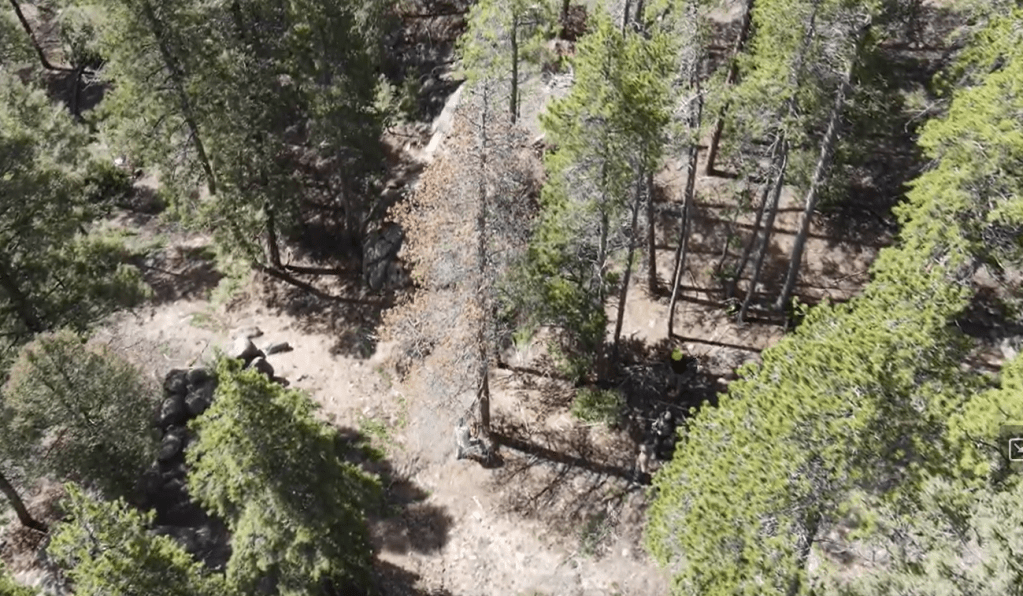
Here are a few things to consider when making sure you’re space is safe. I have pulled this information from the Wildfire Prepared Website so feel free to check it out in more depth for yourselves. This is just a simplified version. On that note, J Wood is one of the few Colorado approved Wildfire Prepared Mitigators (which is really important when hiring someone to do tree work on your property). This whole blog is in relation to your landscaping and creating a defensible space and NOT your home strengthening. You can also find that information on the Wildfire prepared site.
There are 3 defensible space zones on your property in relation to your house or structures. I’m not going to go into super detail, but if you have any doubt at all, you should call J Wood for a property assessment.
Defensible Space Zones
Immediate Zone
This zone is 0-5 feet around your home or structure. This is the most important zone to take care of. There should be nothing flammable in this zone as far as dead leaves, shrubbery, or mulch. It should be noncombustible components. This means replacing mulch with rock or gravel, clearing shrubbery, and all dead or dry plant material. There should be absolutely NO trees in this zone.
Intermediate Zone
This is 5-30 feet around your home. In this zone, you want to reduce as much flammable material as you can. You should fully remove Conifers, Junipers, and Gamble Oak trees within 15 feet of your home. You can have well maintained grass (less than 4″), noncombustible mulch, succulents and other plants/flowers that you maintain. You can have a few shrubs, but sparingly. You should reduce all ladder fuel for any trees in this zone. Ladder fuel is the shrubs or brush that exists around the base of the tree or near the trunk/branches that could cause a fire to spread more rapidly. Also consider limbing the Conifer trees from 0-10 feet so they are less likely to catch fire. Conifer trees should be about 10 feet apart from each other so it is harder for them to catch each other on fire.
Extended Zone
This zone is 30-100 feet around your home. The goal in this zone is to reduce the movement of flame. If you store firewood (and we do hope you heat your home naturally with cords from J Wood), you need to do so at least 30 feet from the house (more if your home is uphill). Get rid of all slash on your property (another thing J Wood can take care of for you). Remove flammable plants and limb trees up to 10 feet. Trees should be spaced 10 feet apart (from the furthest out branches) and more if your property is sloping. No ladder fuel here as well.
Big Notes
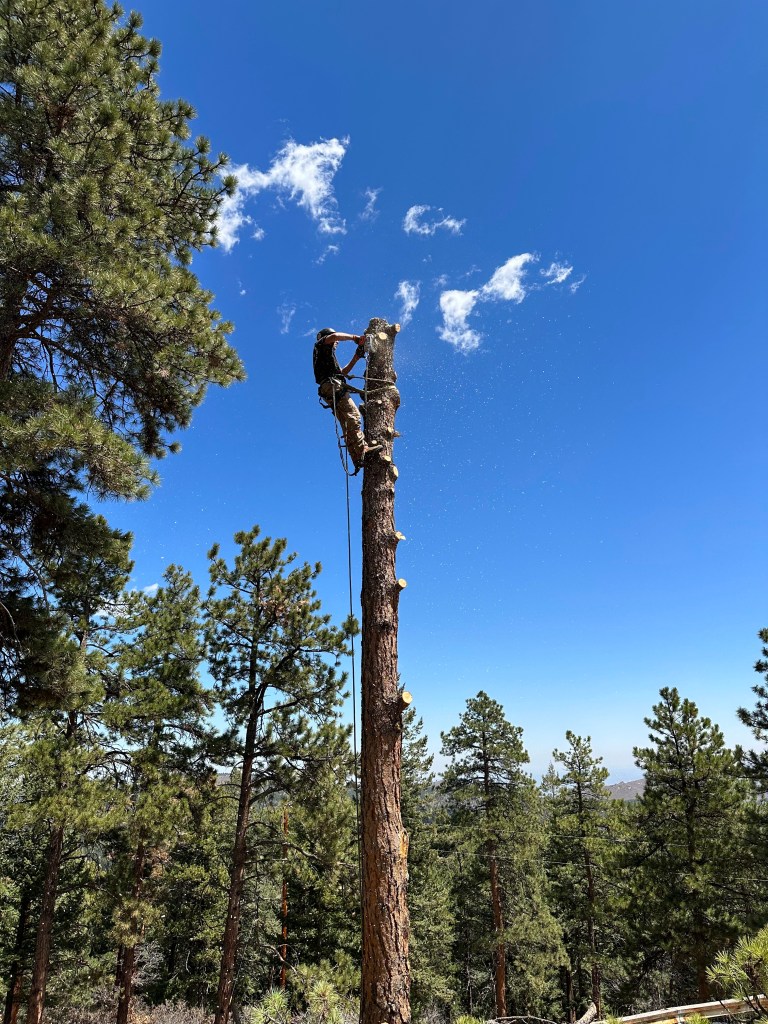
Regardless of zones, you should remove any and ALL dead or dying trees on your property. Dead trees are incredibly flammable and can rapidly spread fire.
If you’re unsure, you should ask a professional.
How YOU Can Save Your Home
While the onus is on you as a homeowner to get your property checked every year, the work to be done should fall on a wildfire prepared mitigator such as J Wood LLC. J Wood recommends getting your property assessed during the spring of each year and make sure all the tree work gets taken care of by early summer.
And if your trees are taken care of regularly, all YOU need to do is make sure you are clearing the flammable brush near your house, and keep your plants maintained.
Again, this is all in regards to landscaping. You can do more to harden your home.
Waiting too long could result in catastrophe. You just never know what could happen with mother nature.
If you’re in the Park County/Jeffco/Denver area of Colorado and would like a free assessment, call or email us today 🙂 303 903 4330 or jsgotwood@gmail.com
 J Wood
Leave a comment